Professional Dunellen General Contractor with Skilled Craftsmanship
Why Determining the Best General Contractor Is Key for Your Project
Identifying the right main contractor is a pivotal call that can markedly determine a project's success. A suitable contractor secures efficient handling and sticking to budgets. Their ability to traverse challenges and maintain distinct communication is essential. However, many building owners overlook critical variables in this selection cycle. Understanding these particulars can advance to better outcomes and increased contentment. What should one deliberate when making this significant choice?
Regular Hurdles in Choosing a General Contractor
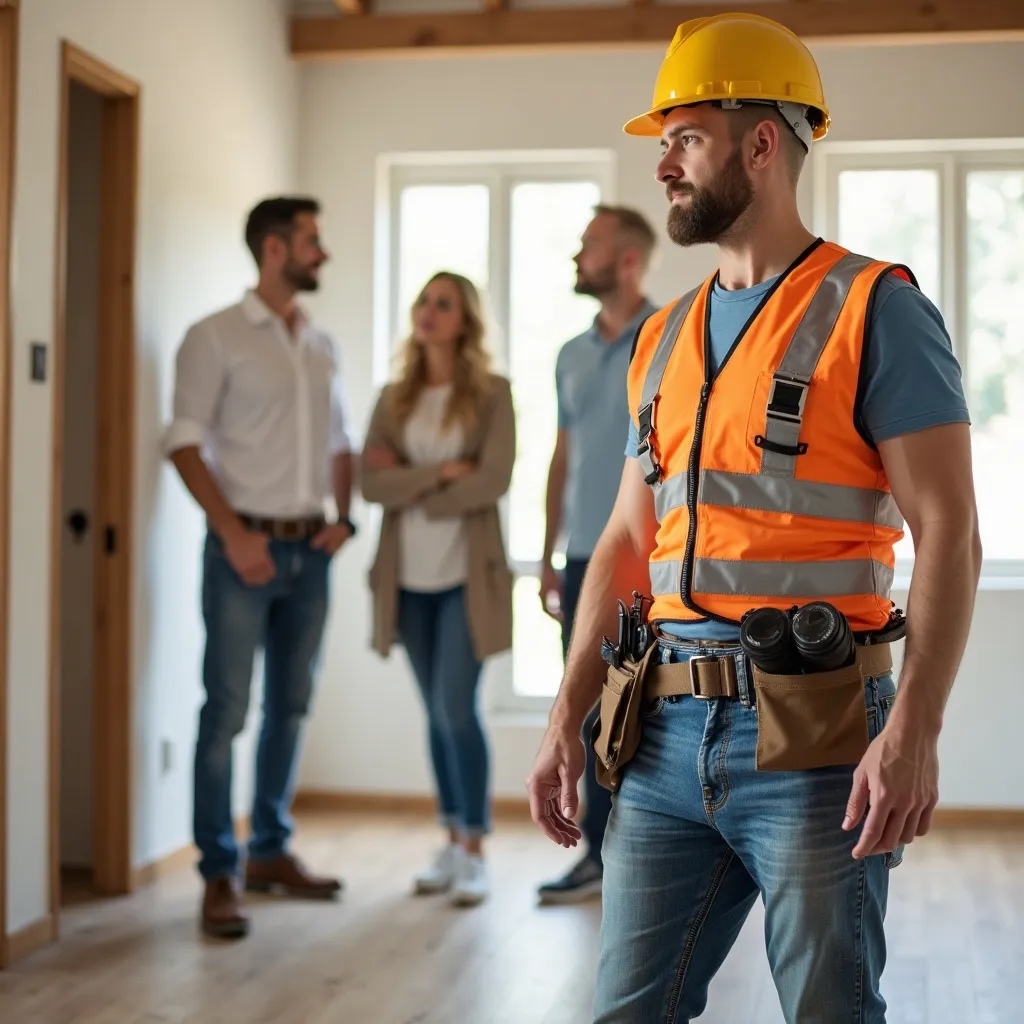
When choosing a general contractor, potential clients often encounter numerous typical difficulties that can complicate the selection process. One major obstacle is the vast quantity of options available, timely resource which can lead to confusion and indecision. Customers may find it hard to differentiate between contractors based on credentials, background, and cost, rendering it challenging to identify who will best satisfy their project needs.
A further problem is the limited disclosure in contractor bids, where unexpected expenses may emerge later, affecting the project budget. Additionally, clients may face concerns related to communication; some contractors may be unable to inform clients consistently throughout the timeline, leading to frustration. Finally, clients often wrestle with substantiating a contractor's endorsements and past work, which can provoke hesitation about the quality of service to be delivered. These impediments call for careful consideration and scrutiny to confirm the right choice is made.
The Significance of a Reputable General Contractor
A trustworthy general contractor serves in an essential role in ensuring efficient project management and maintaining quality assurance standards. Their knowledge helps streamline processes, reducing expenses and delays. Additionally, a dependable contractor upholds high standards, resulting in superior craftsmanship and customer contentment.
Improve Project Administration Effectiveness
Effective project oversight copyrights on the reliability of a general contractor. A dependable contractor ensures that timelines are met, resources are distributed effectively, and communication flows seamlessly among all stakeholders. Their ability to coordinate subcontractors, suppliers, and laborers directly impacts the project's progress and overall success. A reliable contractor foresees problems, acts quickly to resolve them, and stays focused on the objectives, minimizing setbacks and budget excesses. This effectiveness creates a cooperative atmosphere that enables modifications and enhancements when required. Ultimately, the general contractor's reliability enhances not only the operational aspects of the project but also the confidence among clients and team members, ensuring all parties stay aligned towards a favorable result.
Quality Testing Standards
Dependable general contractors serve a key role in upholding quality assurance standards during the entire project. They guarantee that every task meets established guidelines and industry protocols, which is crucial to the durability and safety of the structure. A competent contractor holds strict oversight over materials and workmanship, conducting regular inspections to find and resolve problems quickly. This proactive approach reduces risks linked to inferior construction, in turn protecting the investment. Furthermore, a reliable contractor encourages communication among all stakeholders, guaranteeing clear and fulfilled expectations. By focusing on quality assurance, a skilled general contractor not only enhances the end product but also gains trust with clients, establishing the base for successful project results.
Evaluating a Service Provider's Experience and Reputation
When picking a general construction firm, understanding their experience and reputation is important, as these aspects significantly impact project results. A contractor's background typically indicates their ability to manage various kinds of projects, complexities, and obstacles. Reviewing their work samples provides perspective into previous work, displaying craftsmanship and meticulous attention to detail.
Moreover, standing plays a critical role in developing trust. Prospective clients should examine internet testimonials, testimonials, and references to determine satisfaction levels from previous clients. Consulting with past customers can demonstrate the contractor's reliability, communication skills, and adherence to timelines and budgets.
Moreover, industry affiliations and certifications can fortify a contractor's credibility, indicating a commitment to quality and virtuous practices. By thoroughly evaluating both experience and prestige, clients can determine the best choice, decisively creating the conditions for a outstanding construction project.
Key Attributes of a Reputable Contractor
A reliable contractor consistently exhibits integrity, openness, and strong interpersonal abilities. These vital qualities create the foundation of a successful working relationship. Integrity ensures the contractor adheres to moral standards, offering honest assessments and practical schedules. Openness entails fully disclosing assignment information, including costs and potential challenges, fostering trust between the contractor and the customer.
Strong interpersonal abilities facilitate the contractor to communicate ideas efficiently, understand client needs, and address any concerns that occur during the project. Furthermore, a trustworthy contractor exhibits adaptability, adjusting to changes and unexpected circumstances with poise and resilience. Attention to detail is a further essential trait; it reflects a commitment to quality and precision in every facet of the work. Ultimately, these characteristics not only enhance project outcomes but also provide a positive interaction for clients, making the selection of a dependable contractor all the more vital.
Important Questions for Bringing On Your General Contractor?
How can a person ensure they pick the appropriate general contractor for their project? By posing a series of targeted questions, potential clients can more effectively assess candidates. To begin, asking about the contractor's experience with similar projects gives insight into their expertise. It's also crucial to request for references; speaking with previous clients can show the contractor's reliability and work quality.
Following this, assessing licensing and insurance confirms that the contractor adheres to legal requirements and safeguards the client from possible liabilities. Clients should further inquire regarding timelines and project management plans to measure how the contractor intends to oversee the project effectively.
Budget meetings are important; requesting a detailed quote prevents unexpected expenses later. Finally, grasping the contractor's preferred way of communicating can lay the groundwork for a productive working relationship. By tackling these important inquiries, clients can choose wisely in selecting their general contractor.
Why Dialogue Matters With Your Contractor
Effective engagement with a contractor is vital for project achievement. Creating transparent goals and offering regular communications can prevent miscommunications that often lead to costly delays. Additionally, encouraging an open conversation builds rapport, securing a improved working relationship throughout the construction process.
Explicit Specifications Guarantee Positive Outcomes
Setting definite expectations is necessary for a strong partnership with a general contractor. Transparent communication sets the stage for understanding the project's goals, deadlines, and budget limits. When both sides share their needs and concerns, it reduces the chance of misunderstandings that could hamper progress. A contractor who is familiar with the exact requirements can allocate resources efficiently and tackle potential problems proactively. Furthermore, having definite expectations promotes accountability, making sure that the contractor fulfills promises and that the homeowner stays engaged in the process. Prioritizing open communication from the start allows clients to improve partnership and satisfaction, ultimately resulting in a more efficient project delivery. Clear expectations simplify workflows but also cultivate trust between the homeowner and the contractor.
Rapid Messages Stop Misunderstandings
Establishing defined parameters establishes the groundwork for productive teamwork, although consistent exchange is equally important. Regular reports shared by construction managers can prevent miscommunication that may develop during a job. When contractors consistently relay progress updates, clients stay up to date on schedules, cost changes, and possible obstacles. Such proactive interaction helps synchronize each side's expectations and reduces the risk of disputes later on. Moreover, when concerns arise, prompt communication allows for faster fixes, ensuring the work stays on course. Through fostering a culture of candid dialogue, contractors show their commitment to the project's success, in the end creating a smoother workflow and increased client gratification. For this reason, timely communications function as a cornerstone for upholding clarity and faith throughout the construction process.
Transparent Discussion Establishes Trust
As a project progresses, upholding an open dialogue with the general contractor becomes paramount for fostering trust and collaboration. Effective communication confirms that all parties have a clear understanding of expectations, schedules, and potential challenges. When trade professionals and clients engage in frequent talks, it lets for the discovery of setbacks before they escalate, minimizing problems. This candor not only develops certainty but also enhances the overall building experience. Additionally, an two-way communication system welcomes feedback, enabling the contractor to make corrections that conform to the client's expectations. Ultimately, effective interaction grounds a structure of shared esteem, which is essential for the achievement of any construction project. Trust fostered through dialogue leads to better outcomes for everyone participating.
Common Asked Questions
How do I check whether a Contractor is properly registered?
To ascertain if a contractor is registered, one should consult local official boards and digital resources, validate their license number, and ensure it's active. Additionally, checking online reviews can give clarity regarding their reputation and consistency.
What Protection Must My Construction Professional Possess?
A professional needs to secure general liability insurance, workers' compensation, and, if applicable, professional liability insurance. These mitigate probable injury, workplace injuries, and quality failures, ensuring asset protection for both the professional and the client.
How Do I Validate a Contractor's References?
To check a contractor's references, one should ask for a list of previous clients, communicate with them in person, and question them regarding their experiences. In addition, exploring online reviews and ratings can give helpful perspectives into the contractor's dependability.
What Can I Implement if Problems Develop During the Project?
If issues arise during the project, one should document the problems, communicate directly with the contractor, and seek a resolution. If necessary, involving a third party or consulting a legal professional may also be appropriate.
Are There Red Flags to Monitor During the Recruitment Process?
Red flags throughout the recruitment phase include vague estimates, lack of references, substandard communication, inadequate licenses, and negative online reviews. These markers suggest potential issues that could alter the timeline and quality of the project.